As remote and hybrid working become increasingly common, the home office has evolved into an essential part of modern living. A thoughtfully designed fitted study should promote productivity while blending seamlessly with the overall interior. Combining intelligent storage, ergonomic planning, and cohesive finishes ensures the space feels purposeful rather than temporary.
1. Planning Around the Available Space:
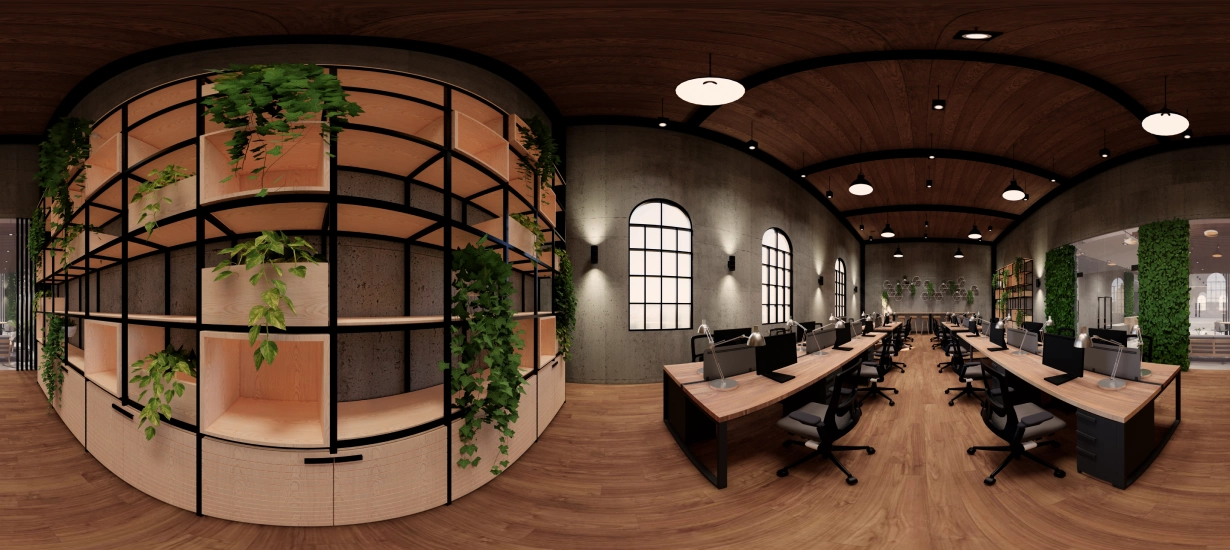
Whether located in a spare room, loft area, or bedroom corner, the layout should maximise efficiency without overwhelming the space. Built-in desks and wall-mounted shelving help maintain clear floor areas while enhancing usability.
2. Prioritising Smart Storage:
Integrated drawer units, filing compartments, and concealed cabinetry keep documents and equipment organised. Effective storage prevents clutter and supports a focused working environment.
3. Choosing Cohesive Materials:
The finishes used in a fitted home office should complement the wider interior. Coordinated tones and textures help the workspace feel like a natural extension of the home rather than a separate addition.
4. Incorporating Practical Lighting:
Positioning the desk near natural light improves comfort, while task lighting and subtle LED accents enhance visibility during evening hours. Layered lighting supports both functionality and atmosphere.
5. Designing for Ergonomics:
Desk height, legroom, and seating placement should be considered carefully. A workspace designed around comfort promotes better posture and sustained productivity.
6. Allowing for Adaptability:
As work requirements change, flexible shelving and modular storage allow the space to evolve. Designing with future adjustments in mind ensures long-term practicality.
Bringing It All Together
A functional and stylish home office combines productivity with design cohesion. Through tailored storage, balanced layout, and refined finishes, you can create a workspace that enhances focus while complementing your interior.