A home bar can feel exciting at first, but the real test is whether it still feels like a smart choice years later. That is where many regrets start. The bar looks great on day one, then turns out to be too small, too bold, hard to clean, or awkward to use. A better home bar design is one that fits the room, fits your routine, and still feels right when the novelty has gone.
Central Bedrooms and Kitchens designs bespoke fitted interiors across the UK, including home bars. Its fitted bar service focuses on placement, storage, finishes and lighting, with a process that starts with consultation, moves into tailored design, then precision installation and final finishing. That practical approach is useful because most long-term regret comes from design choices made too quickly.
The good news is that regret is avoidable. If you think carefully about how the bar will be used, what needs storing, and how the room may change in future, you give yourself a much better result. A fitted home bar should not only look good now. It should still earn its place in the home five years from now. It should feel natural to use and easy to keep tidy for years.
Start with how you will really use the space
The first mistake is designing for a version of entertaining that does not match real life. Some homes need a neat drinks station. Others need a proper serving area with shelving, glass storage and space to mix drinks. CBK notes that a fitted bar can work in a living room, dining area, open-plan layout or entertainment room, which shows why the room itself should guide the layout.
Think about when you will use the bar most. Will it be for quiet evenings, family gatherings, or regular hosting? The answer affects the size, shape and position of the bar. If it sits in the wrong place, it can block movement or make the room feel cramped. A bar that is too deep can dominate the space, while one that is too small may leave you with nowhere useful to work.
It also helps to think about cleaning and daily upkeep. A bar with awkward corners, hard-to-reach shelves or delicate finishes can become frustrating very quickly. Smooth surfaces, sensible proportions and storage that keeps clutter out of sight usually make a bar feel calmer and easier to live with. The same idea applies to seating. If stools are too bulky or the walkways are too tight, the space will stop feeling relaxed.
Choose finishes, storage and lighting that age well
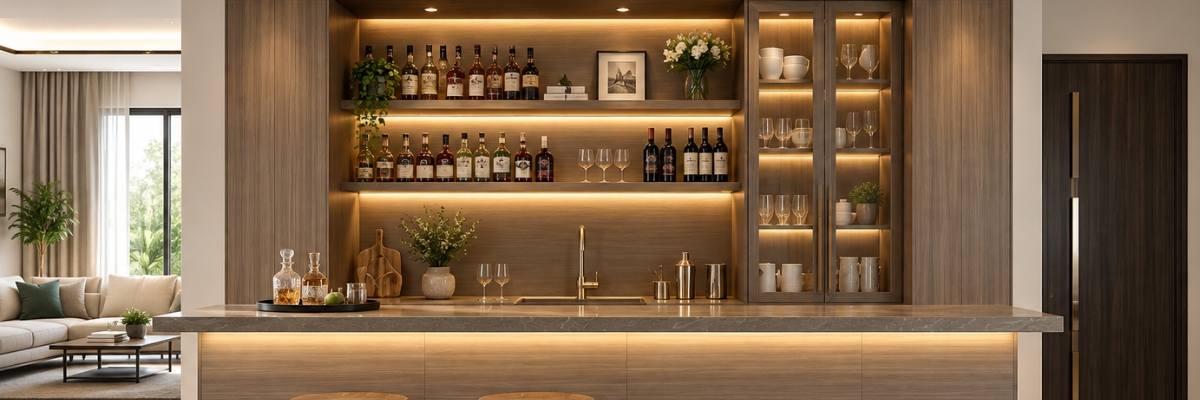
Five years later, the parts you notice most are the ones you use every day. That is why finishes, storage and lighting matter just as much as the shape of the bar. CBK’s fitted bar service includes matt, gloss, wood-effect and stone-style finishes, along with bottle racks, glass holders, shelving, drawers and concealed cabinets. It also offers wall-integrated bars, corner installations and freestanding feature units.
Timeless usually works better than trendy. A very strong look can feel exciting now, but a calmer finish is often easier to live with over time. If you enjoy bolder colour or detail, keep it in parts that can be changed more easily later, such as stools, accessories or artwork. That way the main structure still feels settled if your taste changes. This is one of the simplest ways to avoid a bar that feels dated early.
Storage is one of the biggest reasons people regret a home bar. Bottles, glasses, mixers and tools need different kinds of space. If the storage is too tight, the bar quickly starts to feel cluttered. If it is planned well, the room stays neat and the bar feels intentional. It is worth being honest about what you own now and what you may want to keep there in future. A few extra shelves or a deeper cabinet can be more useful than a flashy detail you rarely notice.
Lighting should support the mood, not fight it. Soft integrated lighting can make the bar feel warm in the evening and help highlight shelves or glassware. Too much glare can make the space feel harsh, while too little light makes it hard to use. Good lighting makes the bar feel like part of the room, not a separate display. It can also help the bar feel more polished.
Plan the build properly so small problems do not become big ones
A strong idea can still go wrong if the build is rushed. That is why the process matters. CBK describes its approach as concept consultation, tailored design, precision installation and final finishing. That order is useful because it keeps the practical details in view before anything is fixed in place.
Accurate measurements matter more than most people expect. The bar should suit the room, the door swings, the walking space and the nearby furniture. It should also feel connected to the rest of the interior. A fitted bar that echoes the room’s colours, materials and proportions usually ages better than one that feels dropped in at the last minute. The more naturally it sits within the room, the better it usually lasts.
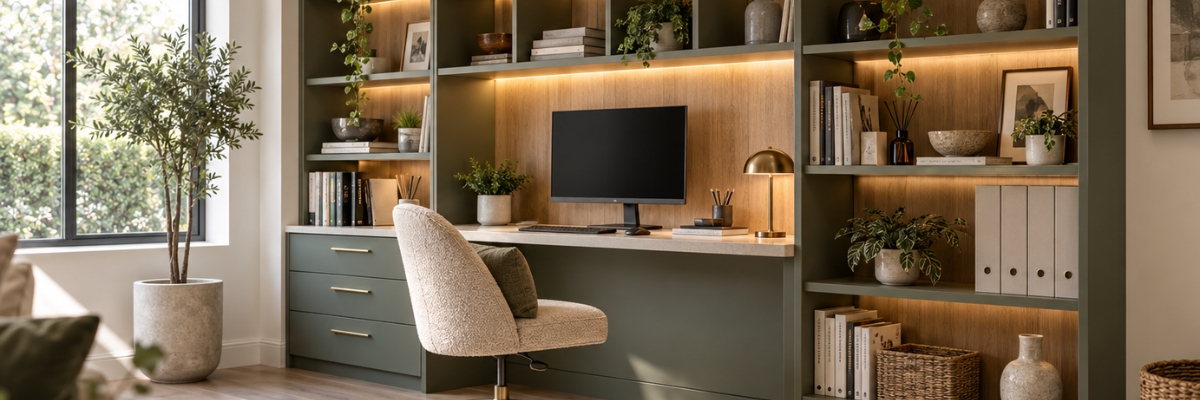
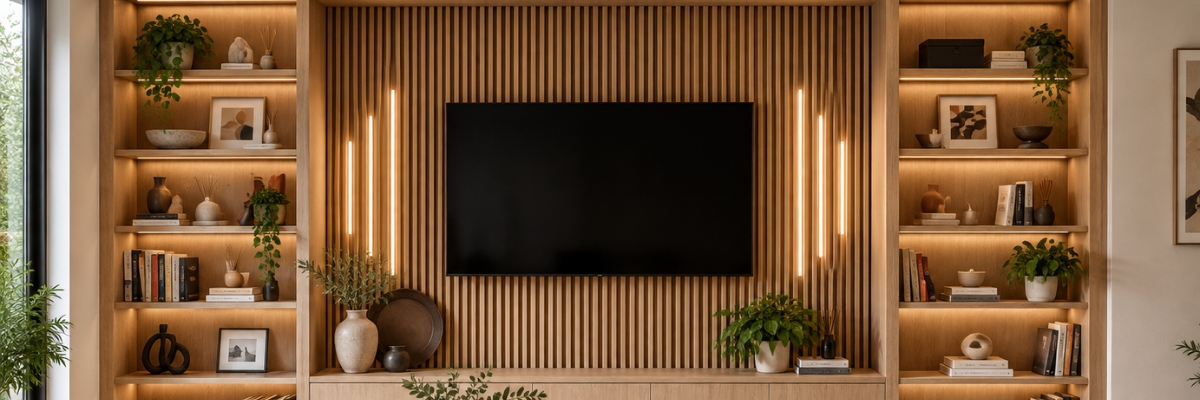
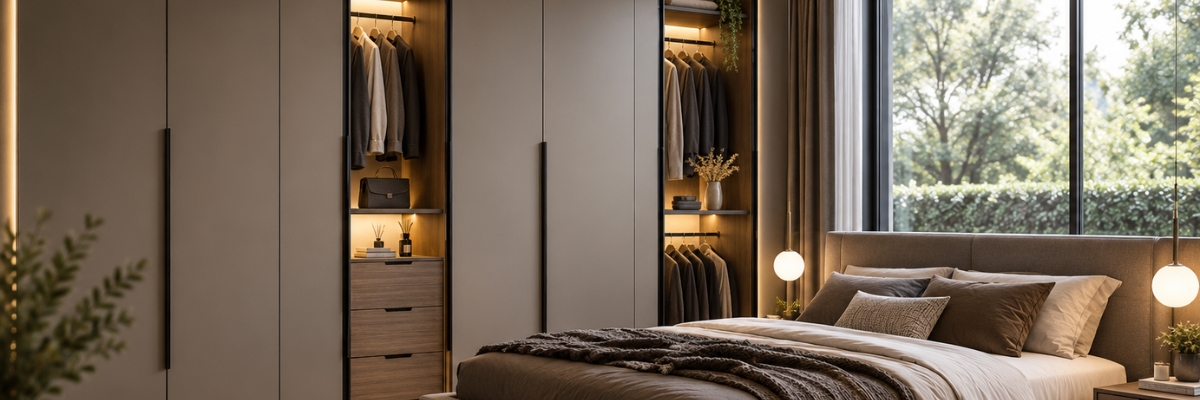
It is also smart to think ahead. Your needs may change. You might want more seating, more storage or a different layout later on. A made-to-measure bar gives you more control over those future changes than a loose piece of furniture ever can. CBK’s wider fitted interiors work shows the same focus on clarity, proportion and everyday function across kitchens, wardrobes, media walls and home offices.
The safest choice is usually the one that feels calm, useful and well integrated. If you design for real life rather than for a single occasion, the bar is far more likely to feel worth keeping.
FAQs
What is the main reason people regret a home bar design?
It is usually poor planning. People often choose the look first and only later notice there is not enough storage, not enough room to move, or not enough light to use it well. Regret often comes from the gap between how the bar looked in the plan and how it behaves in daily use.
How much storage does a fitted home bar need?
Enough for the bottles, glasses, mixers and tools you actually use, plus a little spare room. If the storage is too tight, the bar quickly starts to feel cluttered. It also helps to think about what should stay hidden and what should be on display.
Can a small room still work for a home bar?
Yes. A small room can work well if the layout is measured properly and the design stays simple. Corner bars, slim wall runs and alcove designs can all work in the right space. In smaller rooms, it is often better to keep the bar compact than to force in too much furniture.
Which finishes usually age best?
More neutral finishes often age better than very strong trends. Matt, wood-effect and stone-style surfaces are often easier to live with because they feel calm and flexible. If you want more personality, it can come through lighting, accessories and seating.
Do I need lighting in a fitted home bar?
Lighting is not essential, but it usually helps a lot. Good lighting makes the space more inviting at night and helps the bar feel part of the room. It can also make shelves, bottles and glassware easier to see.