A kitchen is one of the most used rooms in a home, so changing it is about more than making the space look newer. A well planned fitted kitchen can improve storage, make everyday cooking easier and help a room feel more organised. But are fitted kitchens a good investment? The answer depends on the design, materials, property and how long you plan to stay.
For homeowners considering a kitchen renovation, the real value often comes from combining practical improvements with a finish that continues to suit the home. Central Bedrooms and Kitchens focuses on fitted kitchens built around room layout, storage and everyday use, with a process covering design, measurement, installation and final checks.
What Makes Fitted Kitchens a Good Investment?
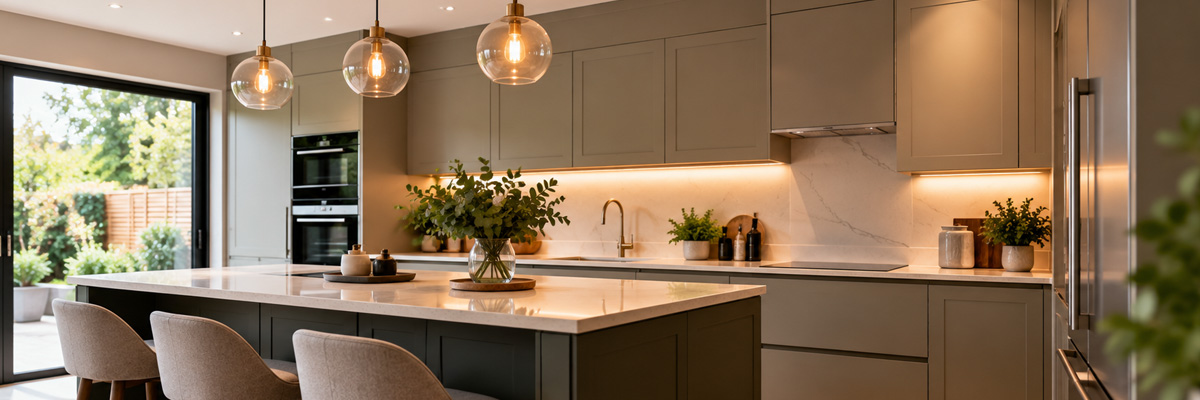
The strongest reason to consider a fitted kitchen is the way it uses available space. Standard kitchen furniture comes in set sizes, which can leave gaps or make corners harder to use. A made to measure kitchen can be planned around the actual dimensions of the room. This can create more useful storage while keeping the layout balanced.
Good kitchen design is also about workflow. The position of the sink, hob, oven, fridge and preparation areas affects how easily you move around while cooking. A sensible layout can reduce unnecessary movement and provide clearer work surfaces. L shaped, U shaped, galley and island layouts can each work well, but the right choice depends on the room rather than simply following a trend.
Storage is another part of the investment. Tall cabinets can use vertical space, while drawers, cupboards and internal storage can be planned around the items you use most. Integrated appliances can help create a consistent appearance where they suit the room. The aim is not to fill every available area with cabinets. It is to balance storage, worktop space and movement.
Materials and fittings matter too. Cabinet construction, hinges, drawer runners, worktops and door finishes all affect how a kitchen performs over time. Matt, gloss, wood effect and painted finishes can create different looks, while quartz, granite, laminate and solid surface worktops offer different practical qualities. Soft close fittings can improve everyday use. Choosing materials based on how the kitchen will be used is usually more useful than choosing them because they are fashionable.
A well planned kitchen can also improve how a home feels to live in. For a family, that may mean easier storage and more room for several people to use the kitchen. For someone who enjoys cooking, it may mean better preparation space and appliance placement. In an open plan area, proportion and finish can help the kitchen sit comfortably alongside dining or living space.
Does a Fitted Kitchen Add Value to a Home?
A fitted kitchen can support property appeal, but it is better to think about long term usefulness rather than resale value alone. If a kitchen is designed around the home and remains in good condition, it can be a positive feature when you eventually sell. Buyers often want a space that looks usable rather than one that needs immediate work.
This is where restraint matters. A kitchen based on a short lived trend may not appeal to everyone. Neutral colours, sensible storage, durable worktops and a clear layout can give the room wider appeal. That does not mean the kitchen has to be plain. Door styles, handles, lighting, splashbacks and worktop choices can add character without making the whole room difficult to live with.
The age and condition of the existing kitchen should guide your decision. If cupboards are damaged, storage is poor, worktops are worn and the layout makes cooking difficult, replacing the kitchen may offer a bigger improvement than changing cosmetic details. If the existing kitchen is sound and works well, a full replacement may not be necessary.
Installation is another factor people sometimes overlook. A good design can still perform poorly if measurements are wrong or fitting is rushed. Professional installation should include careful alignment, appliance fitting, surface finishing and final checks. Clear communication about the design, materials and expected timescale can also reduce confusion before work starts.
A kitchen consultation should consider how the room is used now, what is not working and what you want to improve. Central Bedrooms and Kitchens describes its process as covering the space and functional requirements, design layouts, professional installation and final detailing. That structure can help homeowners understand what they are investing in before work begins.
When Is a Fitted Kitchen Worth the Investment?
A fitted kitchen is usually worth considering when the current room has problems that a new layout can solve. Poor storage, unused corners, limited worktop space, unsuitable appliance positions and awkward movement are all signs that better planning could make a real difference.
It can also make sense when you are renovating a home for the long term. If you expect to use the kitchen for many years, everyday comfort becomes just as important as resale appeal. A kitchen that makes cooking, cleaning, storage and socialising easier can provide value every day, even if you never sell.
However, there are cases where a fitted kitchen may not be the right choice. If you expect to move very soon, a large renovation may not give you enough time to enjoy the improvement. You also need to consider the condition of plumbing, electrics, flooring, walls and appliances. A kitchen project can involve more than cabinets and worktops, so the whole room should be assessed before the design is finalised.
The best investment is not necessarily the most expensive kitchen. It is one where the layout works, storage is useful, materials suit the level of use and the design fits the property. Spending more on features you rarely use may not add much practical value. Spending carefully on good storage, durable surfaces and a well planned layout can have a clearer effect on daily life.
Fitted kitchens can therefore be a sensible investment when the project is based on clear needs rather than pressure to follow trends. A strong result looks good, works well and remains practical as your home changes.
Frequently Answered Questions
Are fitted kitchens worth it compared with standard kitchen units?
Fitted kitchens can be worth considering when you want better use of available space, more control over storage and a layout designed around the room. Standard units can work well in straightforward spaces, but a fitted approach can be more useful where dimensions or storage needs are less typical.
Do fitted kitchens increase house value?
A fitted kitchen can improve the appeal and condition of a property, but it does not guarantee a specific increase in house value. Location, property size, overall condition, local demand and the quality of the renovation all influence what a home is worth.
Which kitchen layout is best for a home?
There is no single best kitchen layout for every property. L shaped, U shaped, galley and island kitchens can all work well. The right option depends on room size, doors, windows, appliance positions, storage needs and how people move through the space.
What materials are best for a fitted kitchen?
The right materials depend on use, appearance and maintenance needs. Matt, gloss, wood effect and painted finishes suit different interiors, while quartz, granite, laminate and solid surface worktops provide different combinations of appearance and practical performance.
Is a fitted kitchen a good idea for a small room?
Yes, a fitted kitchen can work particularly well in a small room because the design can be based on the exact space. Careful cabinet sizes, vertical storage, suitable appliances and a clear walkway can help make a compact kitchen easier to use.