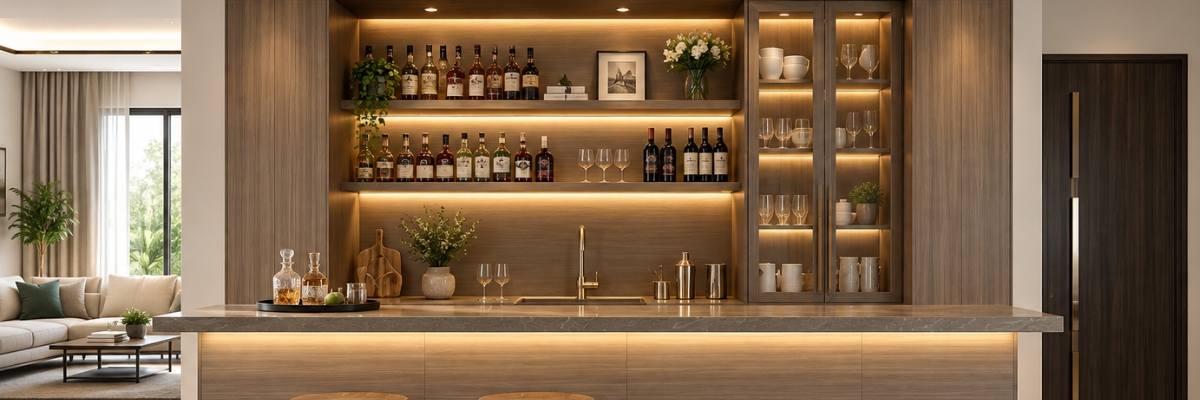
A fitted home bar can change how a room feels. It can turn an empty corner into a place for relaxed evenings, family time, and hosting friends. But the location matters just as much as the design. A bar in the wrong place can feel awkward, get in the way, or be hard to use. A well placed one feels natural from the first day.
If you are planning a fitted home bar, start by thinking about how you live. Do you want it for quiet drinks, for parties, or as a stylish feature in an everyday room? The answer will help you choose the right spot, the right size, and the right layout. A bespoke fitted home bar works best when it supports the room instead of fighting it. Central Bedrooms and Kitchens describes its fitted bar service as a tailored home bar installation that combines smart storage with sophisticated design, and its wider approach is built around clear planning, made-to-measure design, and full installation support.
Start with how you will use the space
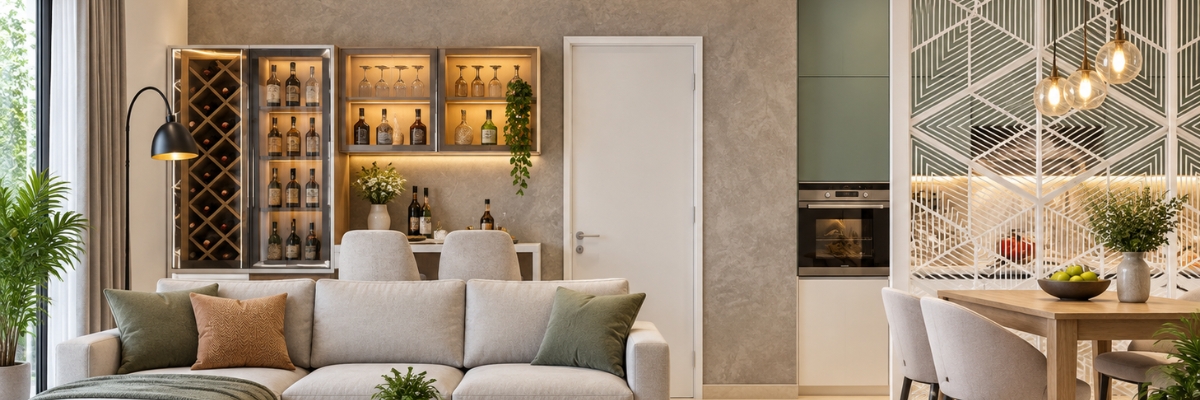
The best location for a fitted home bar depends on the job it needs to do. A bar used for social drinks with guests needs a different setup from one used for quiet evenings or display. If you mainly want storage for bottles, glasses, and mixers, a dining room or living room alcove may work well. If you want the bar to be part of larger gatherings, an open-plan area can make serving easier and keep people moving.
It also helps to think about who will use it most. A couple may want a compact bar with a calm feel, while a family may need safer storage and more durable finishes. If the bar will be used often, the best spot is usually one that is easy to reach without walking through the whole house.
When planning fitted home bar design, picture an ordinary week, not just a special event. Where will drinks be prepared? Where will glasses be stored? Will people stand, sit, or move around it? The right answer often comes from the daily rhythm of the room.
Look at flow, light, and the shape of the room
A fitted home bar should feel like part of the home, so room flow is a key part of the decision. You do not want a bar blocking a walkway, cutting into a doorway, or making the room feel crowded. The most successful locations are often where there is already a natural pause in the layout, such as an alcove, a spare wall, an unused corner, or the edge of an open-plan space.
Light matters too. A bar near natural light can feel bright and welcoming during the day, while a darker spot may need stronger task lighting and accent lighting. Think about how the room looks in the morning, evening, and at night. A location that feels balanced in daylight may feel too dim once the lights are on if the design has not been planned properly.
The shape of the room can also guide your choice. Narrow rooms often suit a single run of cabinetry, while wider rooms may work better with a deeper layout. Under-stairs areas can be clever too, but only when the height, access, and storage needs are checked first. In awkward rooms, a bespoke fitted home bar often works better than a ready-made unit because it can follow the exact shape of the space.
Plan for storage, services, and everyday comfort
A good location is not only about appearance. It also needs to support the practical side of use. If you want a sink, fridge, wine cooler, or power for small appliances, the position must allow for services to be added without awkward compromise. Even if you do not need plumbing now, it is wise to think ahead. The same goes for sockets, ventilation, and where cables will run.
Storage is another reason location matters. A fitted home bar needs space for bottles, glassware, bar tools, and sometimes display shelves. If the bar is placed too far from the main entertaining area, it may not be used as often as you hoped. If it is too close to busy family movement, it may feel cluttered. The sweet spot is usually a space that feels close enough to the action but calm enough for preparation.
Materials and finishes should match the room as well. A bar in a bright kitchen space may suit cleaner lines and lighter tones, while a bar in a lounge can take richer textures and deeper colours. The location will affect how those finishes look throughout the day, so samples should be viewed in the actual room if possible.
Comfort matters too. Think about standing space, stool clearance, cleaning access, and whether doors or drawers can open fully. A fitted home bar should feel easy to live with. If you have to move things every time you use it, the design is not working hard enough. This is where careful measuring and a made-to-measure plan make a real difference.
Why the right location makes the whole bar work better
The perfect spot is rarely the most obvious one. It is usually the place where use, layout, and style meet. A fitted home bar placed with care can make a room feel more finished, add a clear purpose to unused space, and create a stronger link between entertaining and everyday living.
This is also why a bespoke approach is often worth taking seriously. Central Bedrooms and Kitchens works across fitted interiors, including kitchens, wardrobes, media walls, and home bars, and its contact and FAQ pages show a process built around consultation, design previews, and full installation. That matters because a bar is not just furniture. It is part of the room plan, the storage plan, and the way the home feels when people walk in.
If you are still deciding where the bar should go, start with the room that already has the right mix of space, access, and atmosphere. Then shape the bar around that room instead of trying to squeeze it in later. That is how a fitted home bar becomes something you enjoy every day, not just something you admire at first glance.
FAQs
Can a fitted home bar go in a small room?
Yes. A fitted home bar can work well in a small room if the layout is planned carefully. The key is to use the space you already have, such as an alcove, corner, or under-stairs area. In smaller rooms, storage needs to be smart and the finish should help the room feel open rather than crowded.
Is a living room a good place for a fitted home bar?
Yes, a living room can be a very good location because it is often the main space for relaxing and hosting. The bar should sit where it feels connected to the room but not in the middle of daily movement. A side wall, alcove, or corner often works better than a central position.
Should a fitted home bar be near the kitchen?
It can be useful to place a fitted home bar near the kitchen if you want easy access to water, power, and storage. This can also make serving simpler during gatherings. The only drawback is that the bar may begin to feel more like kitchen furniture unless the finish and layout clearly separate the two spaces.
Do I need plumbing for a fitted home bar?
Not always. Many fitted home bars work well without plumbing, especially if they are used mainly for drinks storage and serving. Plumbing becomes useful if you want a sink or a bar area that supports more regular preparation. It is worth planning ahead even if you do not install everything straight away.
What is the most common mistake when choosing the location?
The most common mistake is choosing a spot for looks alone. A bar may look impressive in a certain place, but if it blocks movement, lacks light, or feels too far from where people gather, it will not be used as much. The best location is one that fits the room’s natural flow and supports the way you actually live.
Can a fitted home bar be added to an awkward space?
Yes. Awkward spaces are often ideal for a fitted home bar because custom design can make use of areas that would otherwise stay empty. Under-stairs spaces, unused recesses, and unusual corners can all be turned into useful features. The important part is accurate measuring and a design that respects the shape of the room.
How do I know if the location will still work in a few years?
Think about how your home may change. A good fitted home bar location should still work if you change the furniture, redecorate, or use the room differently later on. Flexibility matters, so it helps to choose a place with enough access, enough storage, and a layout that will not depend on one exact setup. That makes the investment feel more future-proof.